A guided session to help you understand how your body is organised in standing
This is the first guided exercise from the Body Reconstruction system.
Most people try to improve posture, reduce pain or increase mobility without first understanding how their body is actually organised.
In this guided session, you’ll begin to notice how your pelvis, weight distribution and movement patterns interact in standing and simple movement.
First Learn How to Find a Grounded Standing Posture
Before you begin, take a moment to observe how your weight is distributed through your feet and how balanced you feel in standing.
Then follow along and notice how your body responds.
As you move through the images and instructions, pause briefly at each one and notice how your body responds as you make each small adjustment to your standing position.
Now Learn the Movement Steps
Why this first exercise may feel simple — and why it matters
If you’ve tried gyms, yoga or rehabilitation before and found yourself returning to discomfort, it’s often because the foundations of pelvic and spinal organisation were never fully established.
This first exercise isn’t about working harder — it’s about helping your nervous system understand how your pelvis moves and how your body supports itself in standing.
It starts in a Grounded Standing Posture.
We’re then focusing on how the pelvis moves between forward and backward tilt, and how this affects posture, balance and weight through the body.
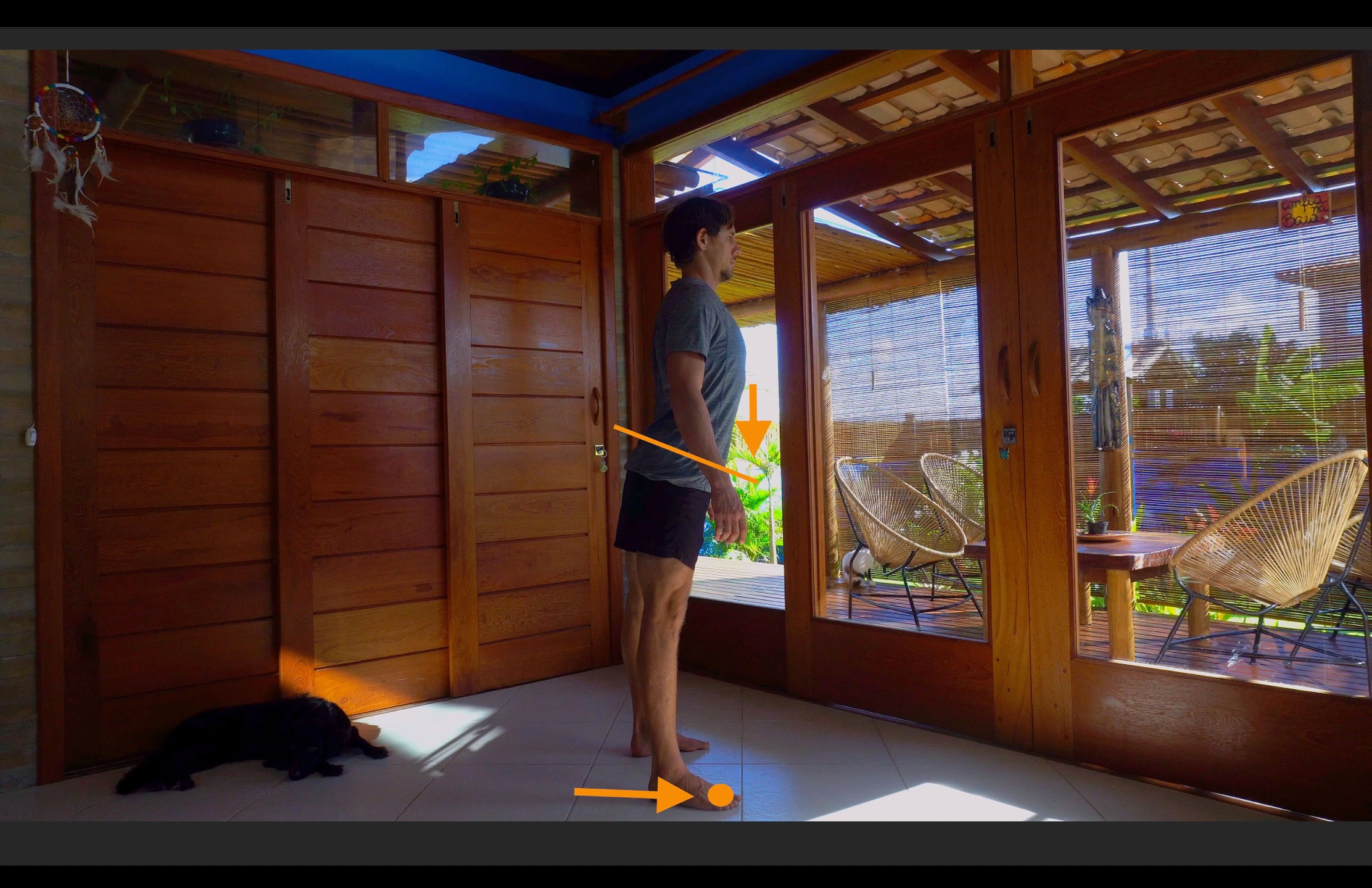
1. Forward Pelvic Tilt (what is called an extension pattern of movement)
- As I straighten my knees - I stick my bottom out and further increase the natural arch at my lower back.
- Transferring the weight into the balls of my feet.
- Squeezing and engaging the muscles at the top of my thighs.
Cues: “Stick your bottom out” , “tilt your belt buckle down to the floor” , “create more of an arch in your lower back”.
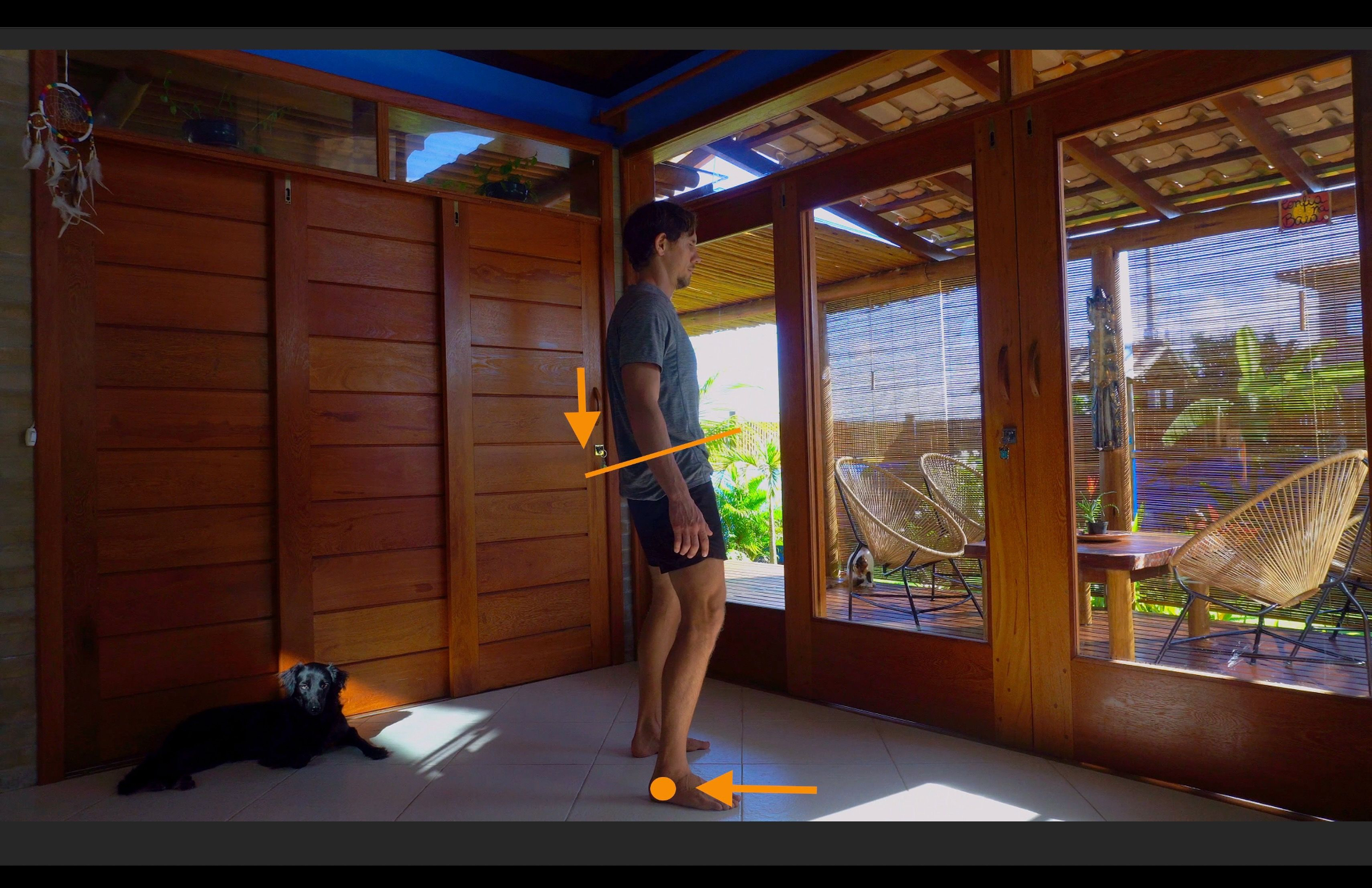
2. Backward Pelvic Tilt (what is called a flexion pattern of movement)
- As I then bend my knees I tuck my tailbone under and flatten the arch at my lower back.
- Transferring the weight into my heels.
- Squeezing and engaging the muscles in my lower abs and my glutes.
Cues: “Curl your tailbone under” , “tilt your belt buckle down to the floor” , “flatten the arch in your lower back”.
Why are we Learning this?
Extra Anatomical Information
In the Forward Pelvic Tilt:
We squeeze and engage the following muscles:
Our quadriceps muscles (run across the whole front of our thighs):
- to strengthen the muscles that straighten the knee.
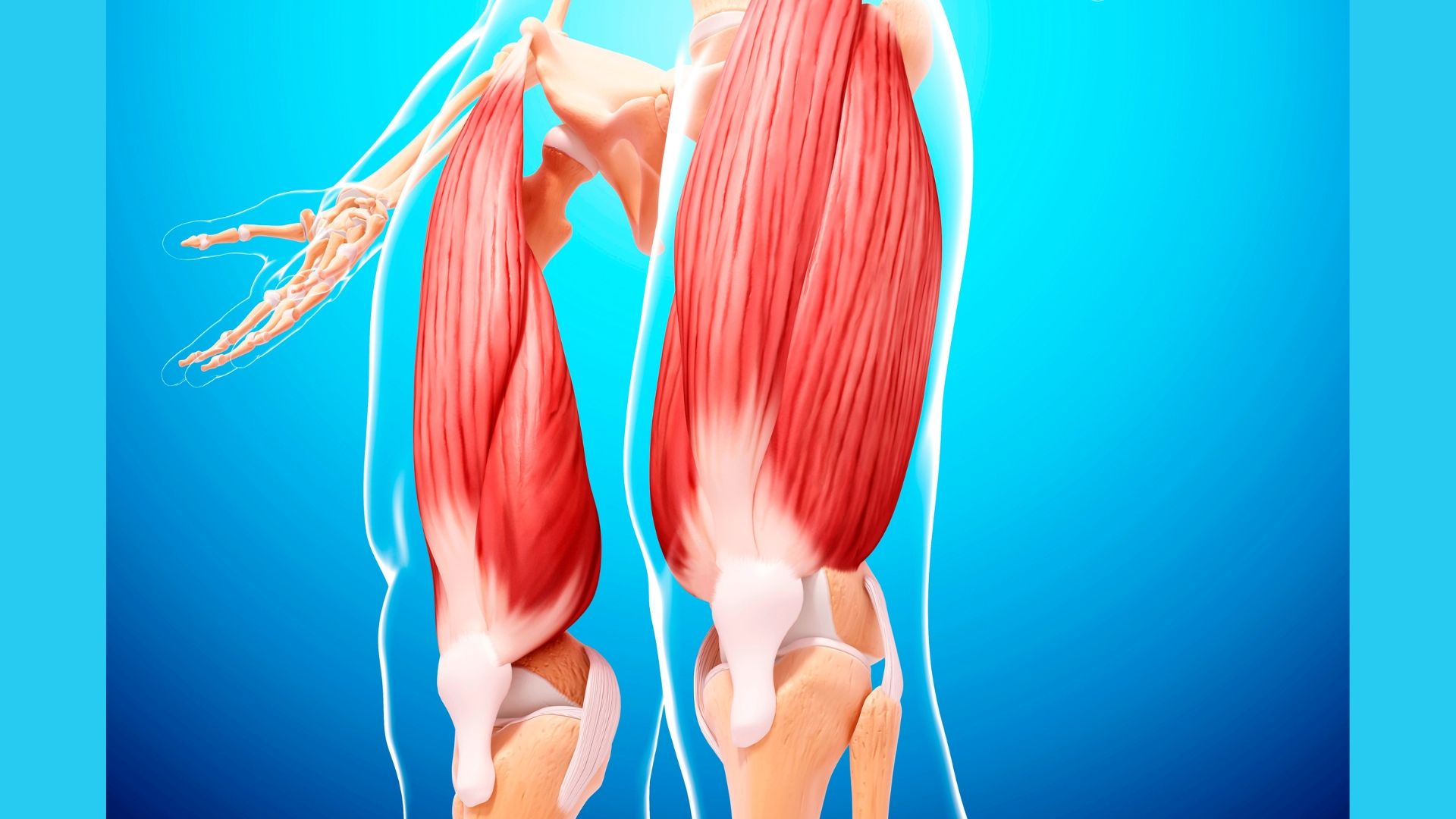
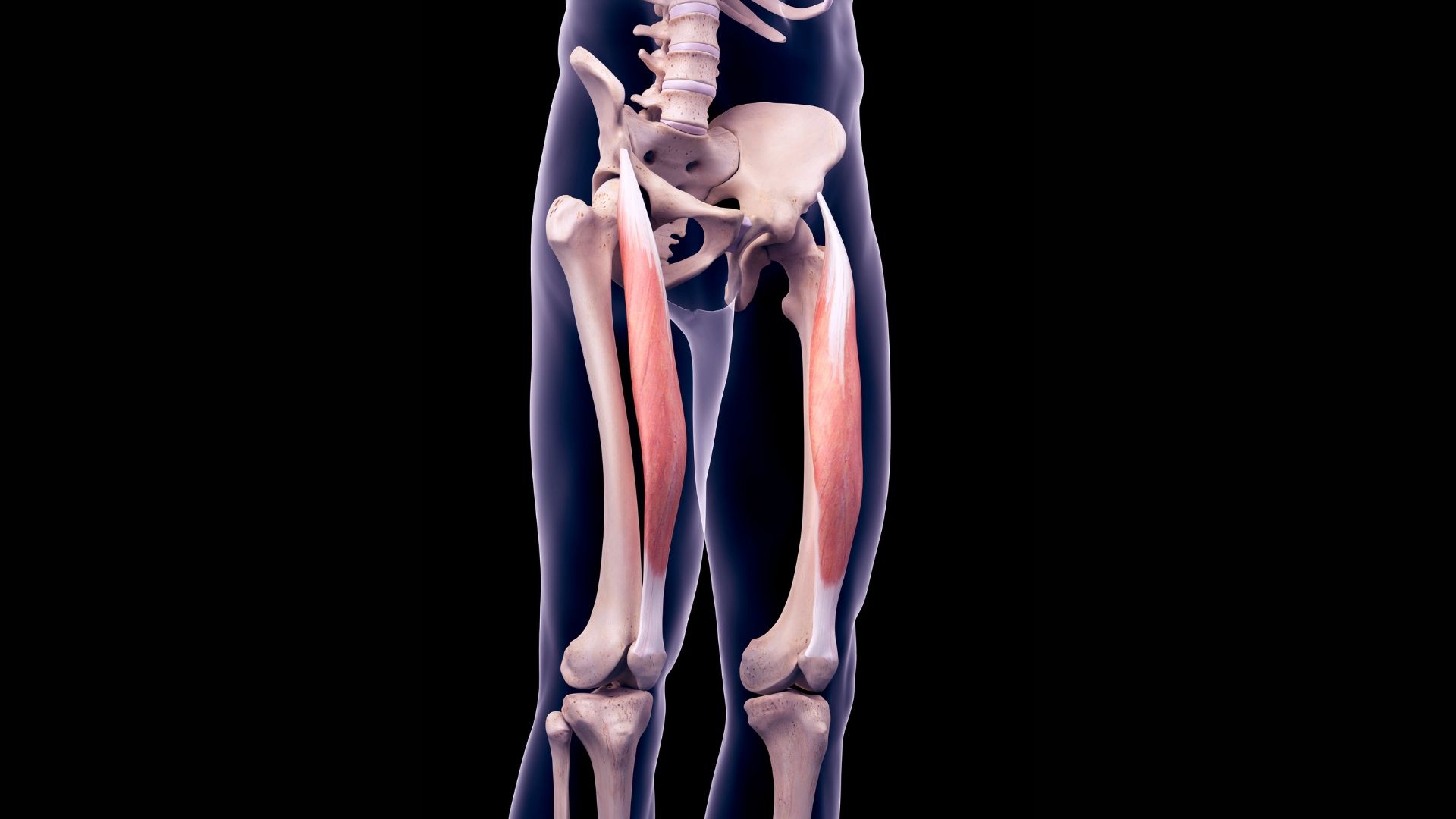
Our rectus femoris muscle (at the very top of the front of our thighs) — one of the quads but also a hip flexor as it crosses both the hip and the knee joints — you can think of it as a bridge between the hip and knee joint):
-
to strengthen a key muscle for pelvic stability and positioning during dynamic movement e.g back bending.
In the Backward Pelvic Tilt:
We squeeze and engage the following muscles:
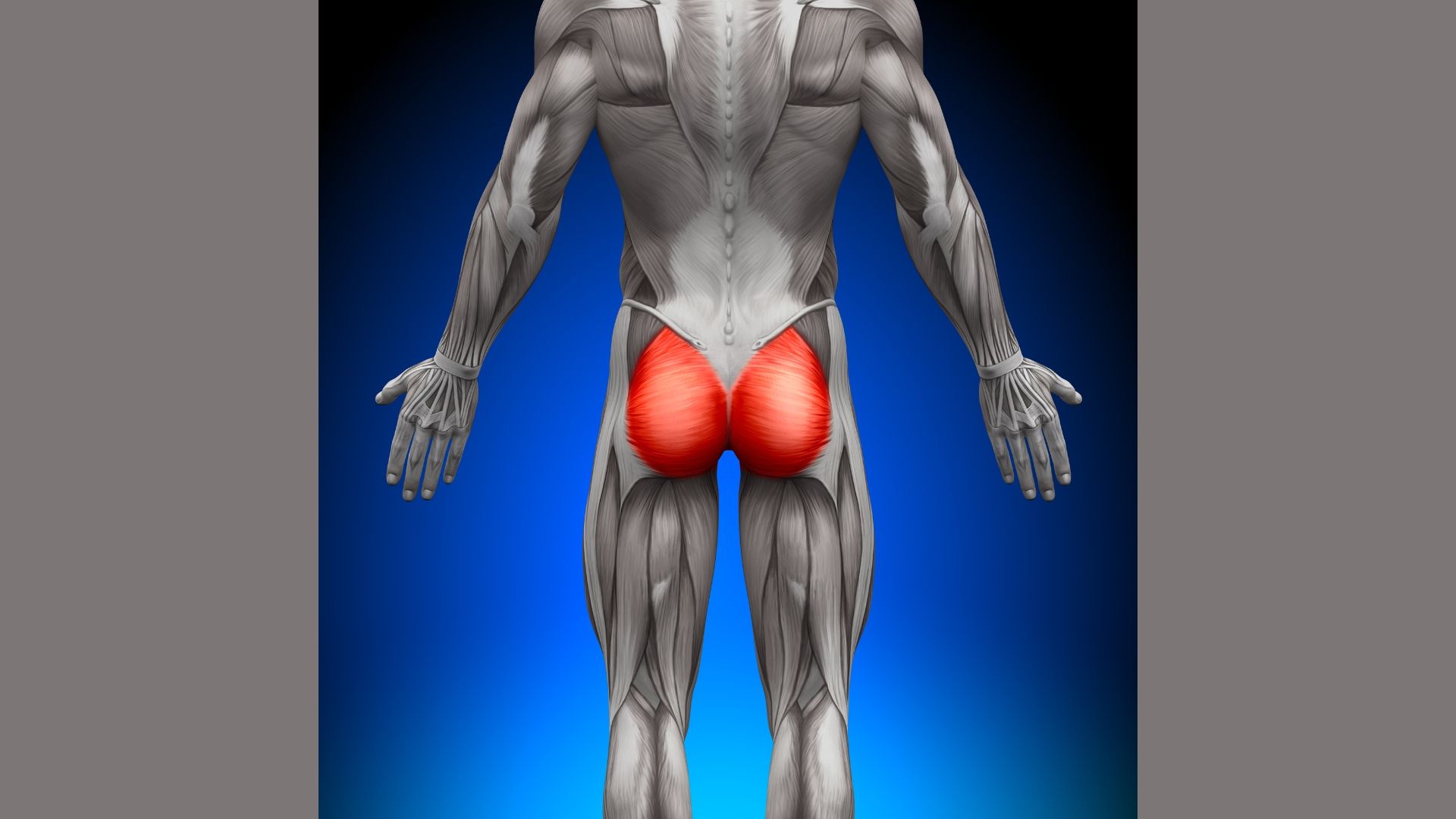
Our glutes (our bottom muscles):
- to strengthen one of the key muscle groups that tilts the pelvis backwards by pulling the back of the pelvis down — flattening that natural arch in our lower back.
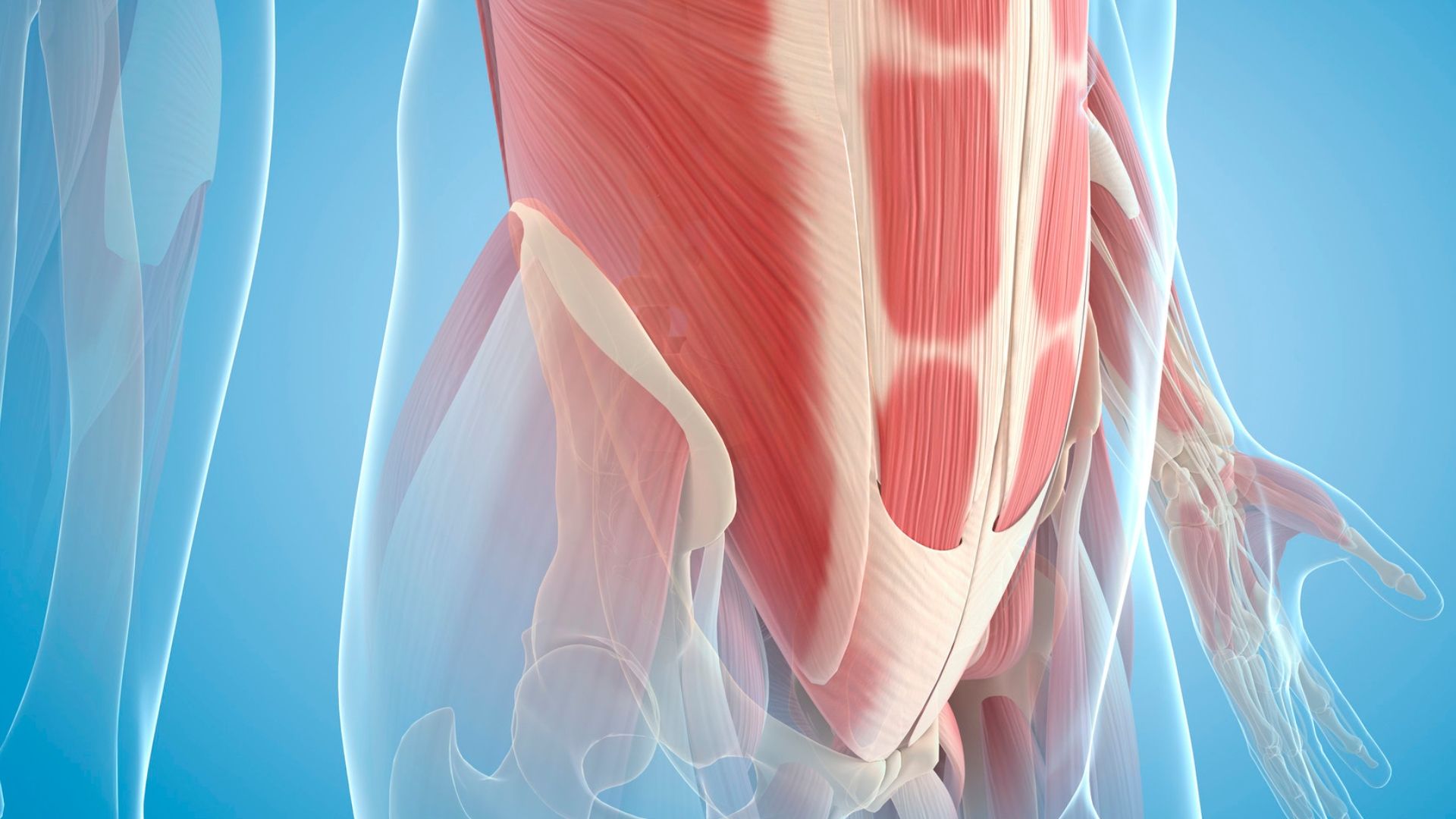
Our lower abdominals (the muscles under our belly button):
- to strengthen one of the key muscle groups that tilts the pelvis backwards by pulling the front of the pelvis up — again flattening that natural arch in our lower back.
This essential coordination of core-glute co contraction is essential for maintaining the proper stability and positioning of the pelvis and lower back region — especially when under load (e.g squats, deadlifts, planks).
Working together they can avoid uncontrolled excessive forward tilt of the pelvis e.g from momentum as we push off forward through walking or running.
Now it's Your Turn to Practice!
Make some space in your environment, maximise your screen and make sure your audio is clear.
Repeat as many times as you need to get familiar with the exercise.
Remember you can message me directly at: [email protected] with any queries or doubts.
If you are still not sure if you are feeling what you should be...
Out of all the days this first exercise can be the one that people have most doubts about. But don't worry, everyone struggles to get this movement straight away, as it is subtle (but powerful and essential for your progress!).
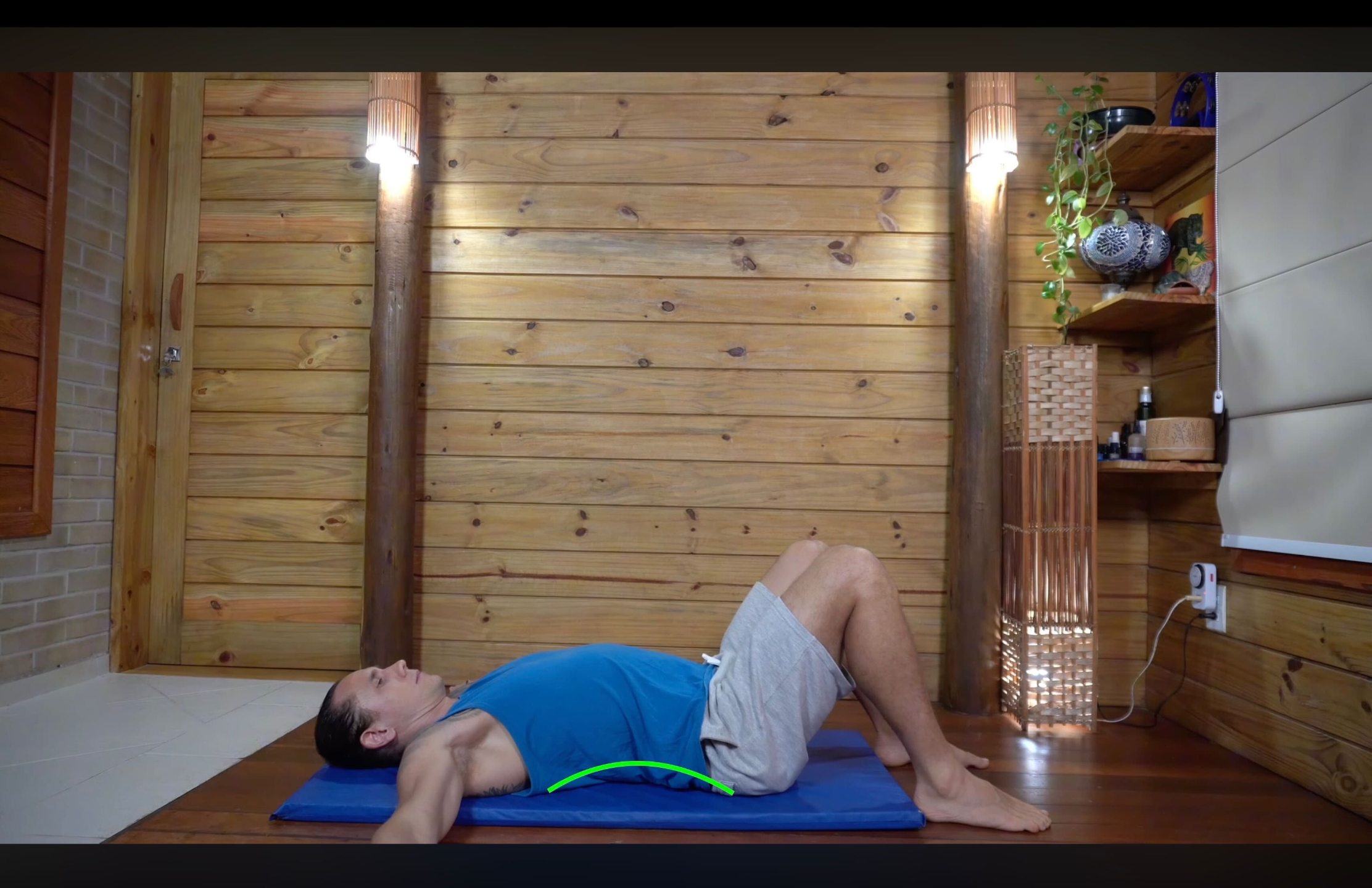
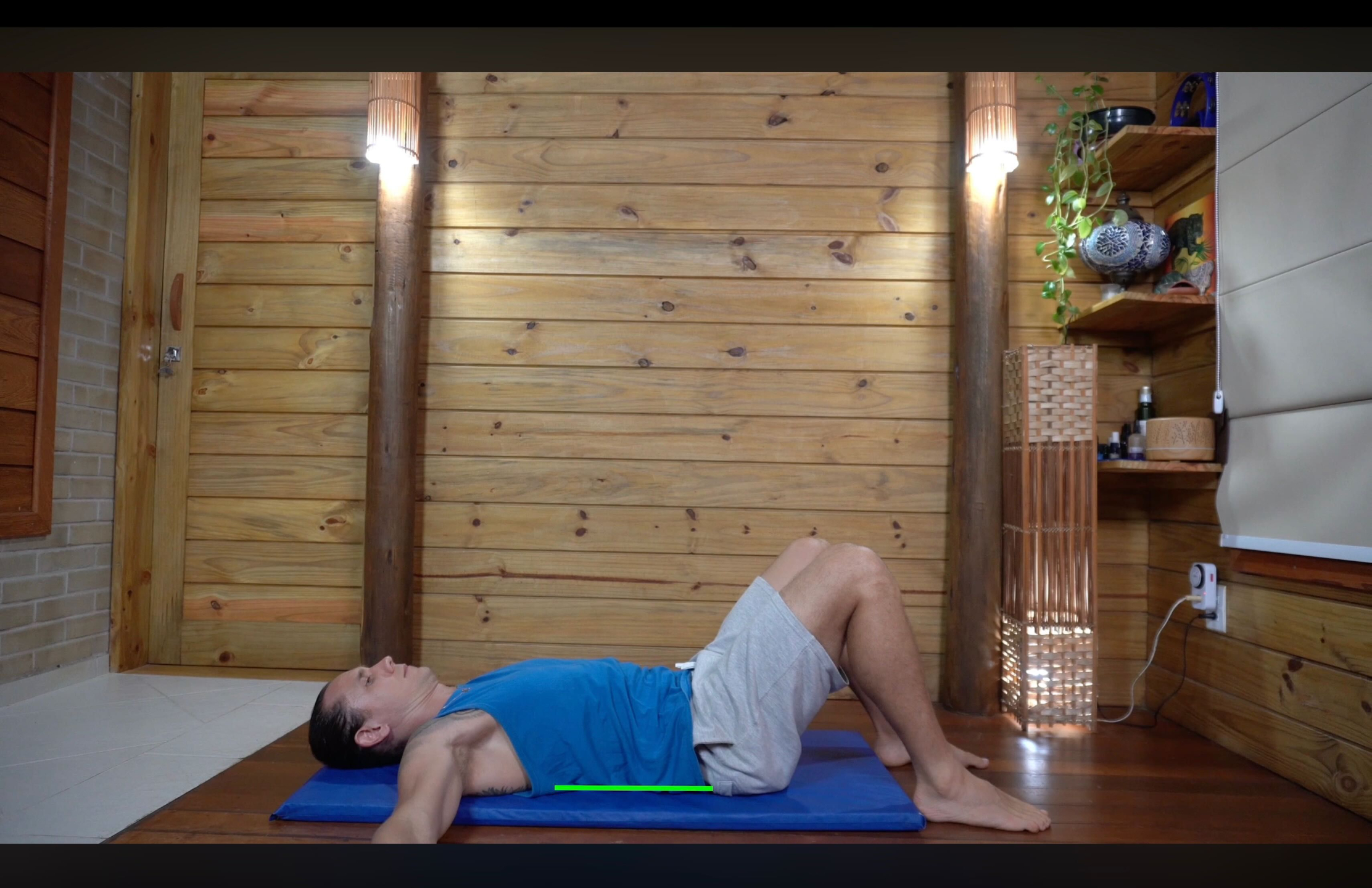
Practising the forward and backward tilt of your pelvic while lying on your back can really make it click!
Lying on your back with your knees bent (feet at hip width apart):
1. Forward Pelvic Tilt
- increase the arch at your lower back - creating as much space as you can under your lower back.
2. Backward Pelvic Tilt
- flatten the arch at your lower back - reduce the space under your lower back by pushing your lower back into the ground.
Final Reflections
What Comes Next?
You’ve now experienced the first foundational exercise of the Body Reconstruction system.
Although simple in appearance, this work is designed to develop something far more important than short-term change — the ability to understand and actively work with your own body.
For many people, the real shift happens when they move away from purely passive approaches to movement or rehabilitation and begin developing a more active relationship with how their body is organised, balanced and controlled.
Continue with Body Reconstruction
Body Reconstruction is a structured 31-day movement system designed for people who want to take an active role in understanding and improving how their body functions.
It is not about relying on instructions or external correction alone — but about building the awareness and capacity to recognise, adjust and develop your own movement patterns over time.
Through progressive daily sessions, you will learn how to:
- Improve posture and alignment.
- Develop coordination and stability.
- Build strength through awareness, not force.
- Understand how your body responds to movement.
- Create lasting change through consistent self-practice.
A different approach to change
This system is for people who are willing to take responsibility for their own progress — and who want to move beyond short-term fixes toward a deeper understanding of how their body works.
Not through intensity.
But through awareness, repetition and guided exploration.
*Looking for additional 1:1 support or accountability? Options are available after enrolment.