YOUNG PEOPLE CAN DEVELOP THE UNDERSTANDING AND INNER STRENGTH TO NAVIGATE LIFE'S CHALLENGES WITH CONFIDENCE.
The Positive Pathway for Young People
A Structured Self-Development Programme.
Providing a clear direction to who they want to become.
Helping children, including teenagers and young adults, to build emotional regulation, confidence and resilience through therapeutic movement, self-awareness, self-expression and experiential learning.
APPLY FOR THE POSITIVE PATHWAY

Turning Overwhelm into Self-Regulation
Many young people are struggling to navigate through their internal world, especially when they are more sensitive.
Not because something is wrong with them — but because no one has taught them how to regulate their nervous system or understand their emotions.
You may recognise these in your child:
- Anxiety or overthinking that never truly switches off.
- Emotional shutdowns, overwhelm or sudden meltdowns.
- Sensitivity to school, friendships or change.
- Low confidence or increasing withdrawal.
- Difficulty expressing feelings or asking for help.
- Everyday situations feeling disproportionately stressful.
And as a parent, you may quietly be thinking — “We’ve tried talking… but nothing is really changing.”

Created by Stefan Latanowski
Paediatric Physiotherapist | Holistic Therapist | Wellbeing Practitioner
Founder of the YogiPhysio Method, with 20 years of dedicated clinical experience supporting young people holistically.
LEARN MORE ABOUT THE YOGIPHYSIO METHOD
Noticing any of these?
- Talking alone isn’t helping.
- Child gets stuck in anxiety patterns.
- Overthinking and emotional sensitivity.
- Poor body awareness / nervous system dysregulation.
- Low confidence.
- Avoidance behaviours.
- Screen dependence or withdrawal.
- School stress.
- Fear of judgement.
- Therapy feels intimidating or too clinical for the child.
- Nothing seems to create lasting change.
- Parents don’t know how to help anymore.
TALKING ALONE ISN’T ALWAYS ENOUGH
Talking can build awareness —
but emotional overwhelm is not only psychological.
It is also:
• physiological.
• nervous-system based.
• embodied.
Real change often happens when young people learn regulation through experience, not just conversation.
The Positive Pathway works through movement, body awareness and guided somatic learning — helping calm become something a child can feel, practise and eventually access independently.
THE TRANSFORMATION JOURNEY
Phase 1 — Safety & Stability
Feeling grounded, safe and more present in the body.
Phase 2 — Emotional Awareness
Understanding thoughts, emotions and reactions.
Phase 3 — Regulation Skills
Learning tools to calm the nervous system under stress.
Phase 4 — Identity & Confidence
Building self-trust, emotional strength and resilience.
Phase 5 — Meaning & Integration
Developing independence, emotional maturity and clarity.

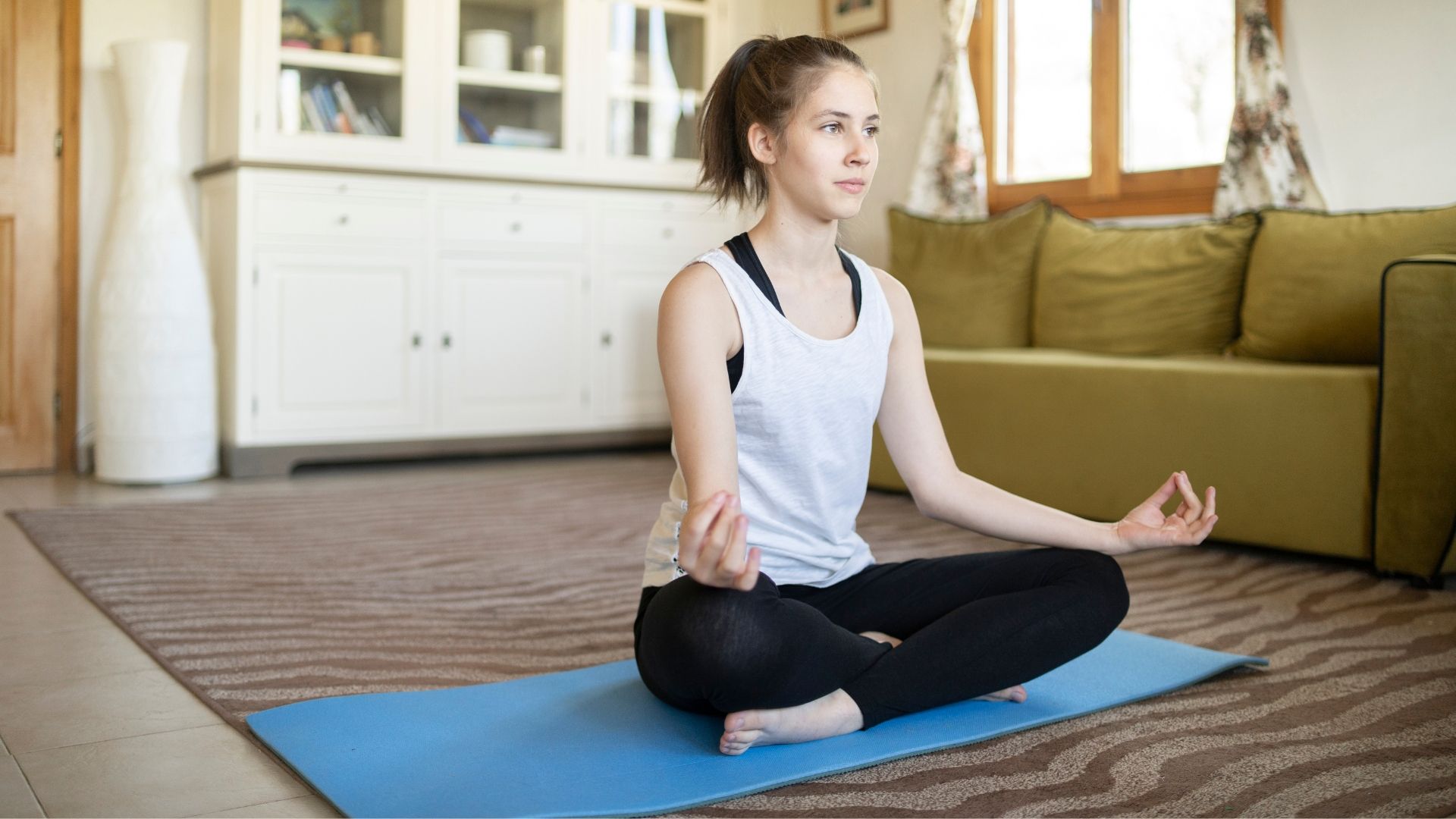
Delivered online from the ease of your home,
supporting families across the UK and worldwide.
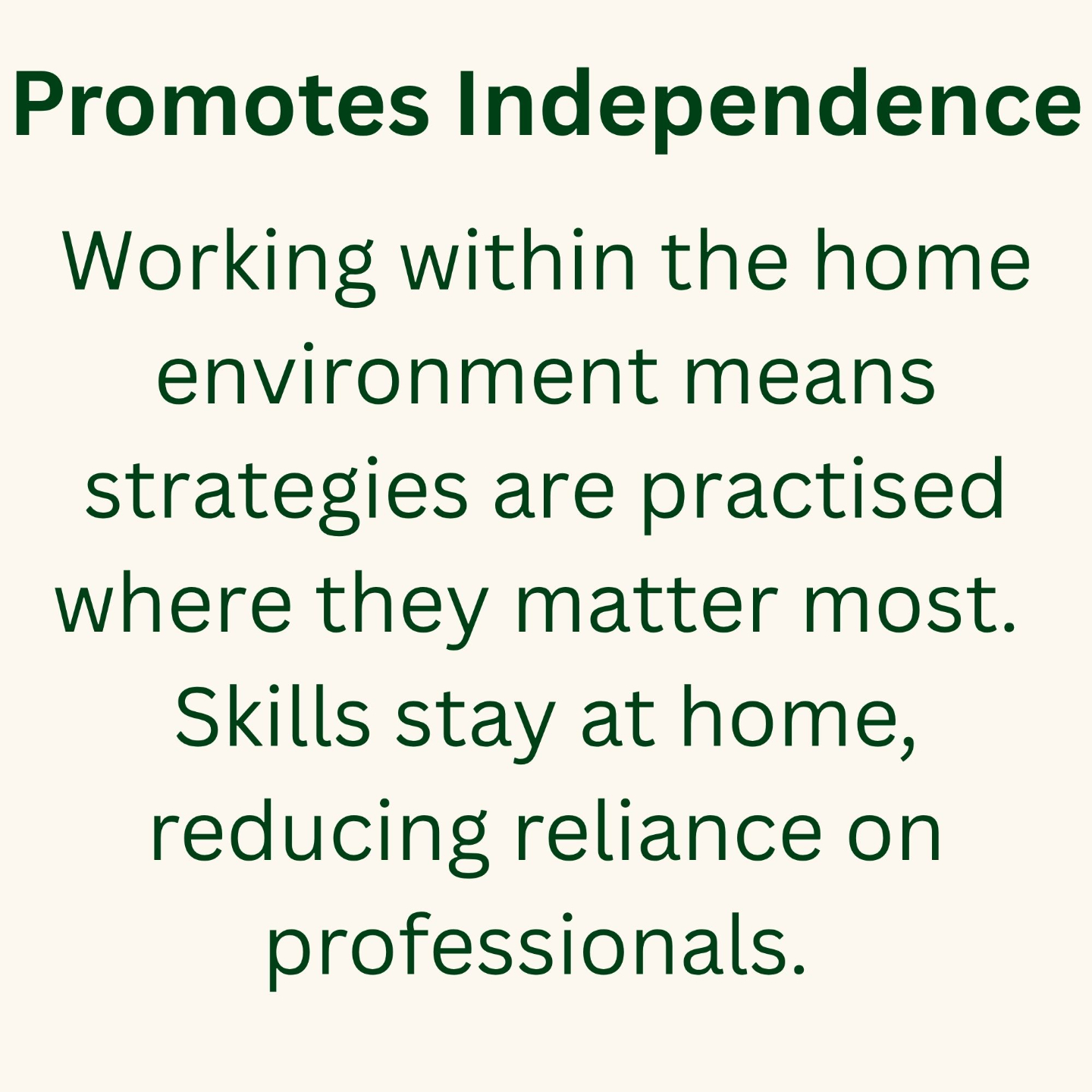
Parents are often surprised by just how well their child engages in online sessions.
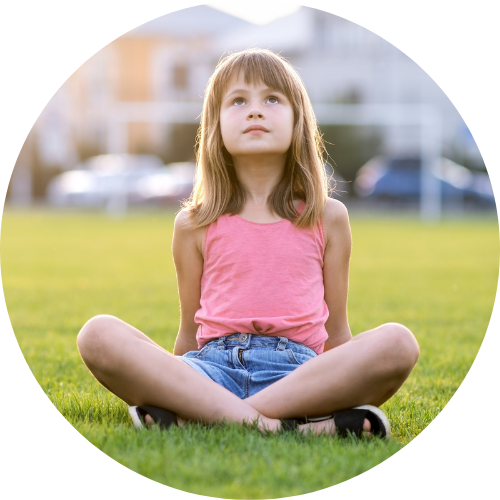
Understanding their
Emotional World
Learning to recognise feelings, body signals and internal states.
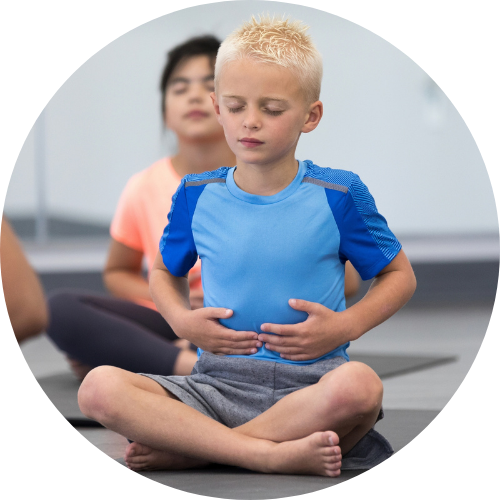
Building internal Stability
and Confidence
Regulation skills develop through guided experience — not pressure or performance.

Developing
Emotional Resilience
Learning to respond thoughtfully instead of reacting automatically.
What Your Child Begins to Develop During The Positive Pathway
THE FRAMEWORK
The Positive Pathway is a structured sequence of 8 guided developmental modules.
Each module builds on the last, supporting young people to develop emotional awareness, nervous system regulation and inner confidence through experiential learning.
Rather than focusing only on talking, the programme integrates movement, reflection and embodied regulation skills — helping change to be experienced, not just understood.
The 8 Modules
Each module builds progressively, helping young people develop emotional awareness, regulation skills and inner confidence through structured experiential learning.
Module 1 — Foundations of Regulation
Understanding the core states of being: Grounded, Flow, Expressive and Peak states, and how to shift between them to support calm, focus and emotional balance.
Module 2 — Resilience & Personal Control
Exploring resilience as the ability to adapt and respond to challenges. Developing awareness of what is within our control (responses) and what is not (external events), while building daily habits that support emotional strength.
Module 3 — Thoughts, Feelings & Behaviour
Understanding how thoughts, emotions and behaviours interact. Includes core cognitive behavioural principles and awareness of unhelpful thinking patterns such as catastrophising, comparison and perfectionism.
Module 4 — Understanding the Inner Alarm System
Working with the nervous system’s survival responses to anxiety and stress. Understanding emotional overwhelm, shutdown and reactivity, while developing practical strategies for regulation in the moment.
Module 5 — Inner Strength & Identity
Building emotional resilience through the understanding and development of the different roles we fulfil, helping young people develop confidence, self-support and inner guidance.
Module 6 — Challenging Limiting Beliefs
Exploring how beliefs shape experience and behaviour. Developing perspective, flexibility and the ability to challenge fear-based thinking patterns while building courage and growth mindset.
Module 7 — Creating a New Inner Narrative
Working with core beliefs such as “I’m not good enough” or “I’m not safe.” Developing new internal narratives that support emotional stability, self-worth and independence of thought.
Module 8 — Meaning, Direction & Self-Discovery
Exploring emotional needs such as safety, connection, boundaries, independence and purpose. Supporting young people to build identity, navigate social pressure and move forward with clarity and confidence.
How it Works in Practice
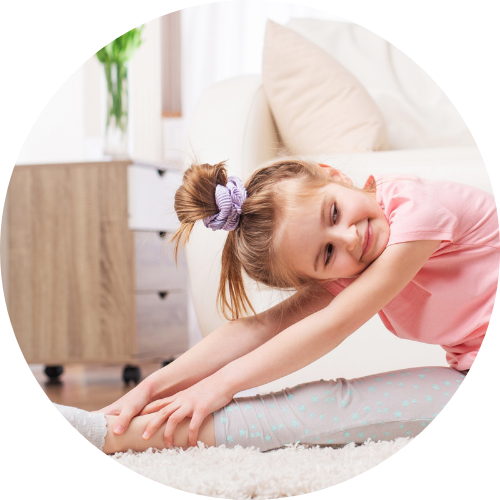
Somatic Movement
and Awareness
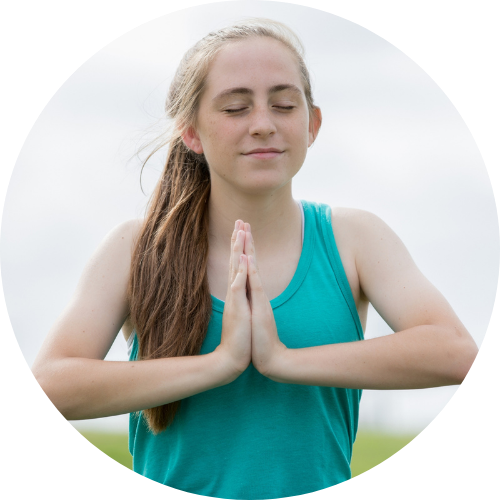
Guided nervous system regulation through movement, breath and body-based awareness practices that help young people feel grounded and calm.
Emotional
Understanding
Experiential learning that helps young people understand emotions through lived experience — not just explanation — supporting emotional awareness and expression.

Identity and Resilience Development
Cognitive and reflective work that supports understanding of thought patterns, self-beliefs and identity, building long-term resilience and self-trust.
Positive Outcomes
- Feeling calmer and less overwhelmed.
- Understanding and regulating emotions more effectively.
- Reduced anxiety symptoms and emotional reactivity.
- Increased confidence in school and social environments.
- Fewer emotional shutdowns or meltdowns.
- Improved sleep and rest patterns.
- Greater comfort and connection with their body.
- Increased resilience and independence.
- Feeling more capable, grounded and more in control.
FOR PARENTS TOO
- A calmer, more emotionally stable child.
- Reduced conflict and tension at home.
- Fewer anxiety-driven crises or escalations.
- Practical tools to support emotional regulation at home.
- Reduced reliance on “just talking” or reactive strategies.
- Long-term resilience rather than short-term coping.
Is this the right starting point?
The Positive Pathway is designed for young people who are ready for structured progression.
Some families may choose to begin with individual YogiPhysio sessions first to build familiarity or explore readiness before progressing into the pathway when appropriate.
EXPLORE FLEXIBLE 1-1 YOGIPHYSIO SESSIONS
WHO THIS IS FOR?
Young people who:
- Experience anxiety, emotional overwhelm or shutdown.
- Are highly sensitive or emotionally reactive.
- Struggle with confidence, stress or low mood.
- Feel stuck in repetitive emotional patterns.
- Need structured, body-based emotional support.

WHO THIS IS NOT FOR?
Not suitable for:
- Those seeking quick fixes or instant results.
- Passive participation without engagement.
- Acute clinical crisis situations requiring immediate medical intervention.
- Where a structured developmental approach is not appropriate at this time.
WHY THIS WORKS?
Rather than relying only on talking about emotions, this approach teaches young people how to:
recognise, regulate, and respond to what is happening inside them.
This is not about “fixing” young people.
It is about building the internal skills they need — to navigate life with confidence, stability and emotional resilience.
APPLY FOR THE POSITIVE PATHWAY